Robert Charles Burdett (Bob) is a writer, author, and playwright. His major interests are genealogy, architecture, history, and religion. He is a native of North Dakota but has lived in Omaha, Nebraska since 1970.
Burdett is a graduate of Bismarck Junior College (1968), North Dakota State University (BSIE, 1970), Creighton University (MBA, 1975), and the Archdiocese of Omaha Catholic Biblical School (2003-7).
In an earlier life, Burdett was a statistical quality control engineer for Western Electric (Ma Bell’s manufacturing unit), Lucent Technologies, and Avaya. This, in part, explains his strange writing style (e.g., all those tables and section headings).
A more complete biography can be found in "BS2: An Autobiography."
Robert Charles Burdett (Bob) is a writer, author, and playwright. His major interests are genealogy, architecture, history, and religion. He is a native of North Dakota but has lived in Omaha, Nebraska since 1970.
Burdett is a graduate of Bismarck Junior College (1968), North Dakota State University (BSIE, 1970), Creighton University (MBA, 1975), and the Archdiocese of Omaha Catholic Biblical School (2003-7).
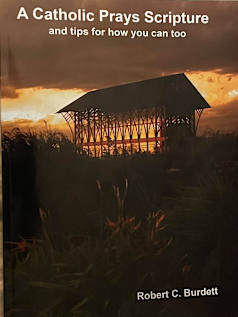
In this book “A Catholic” provides some tips for how you can pray Scripture. The first three chapters define and describe: “A Catholic,” prayer types, and Scripture (from a Catholic perspective). Chapter 4 provides the promised “Prayer Writing Techniques” noted in the books subtitle. The next four chapters provide some examples of...
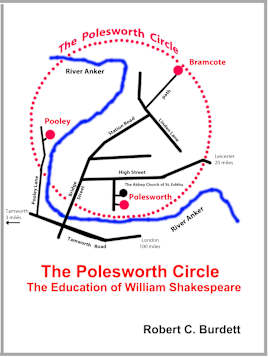
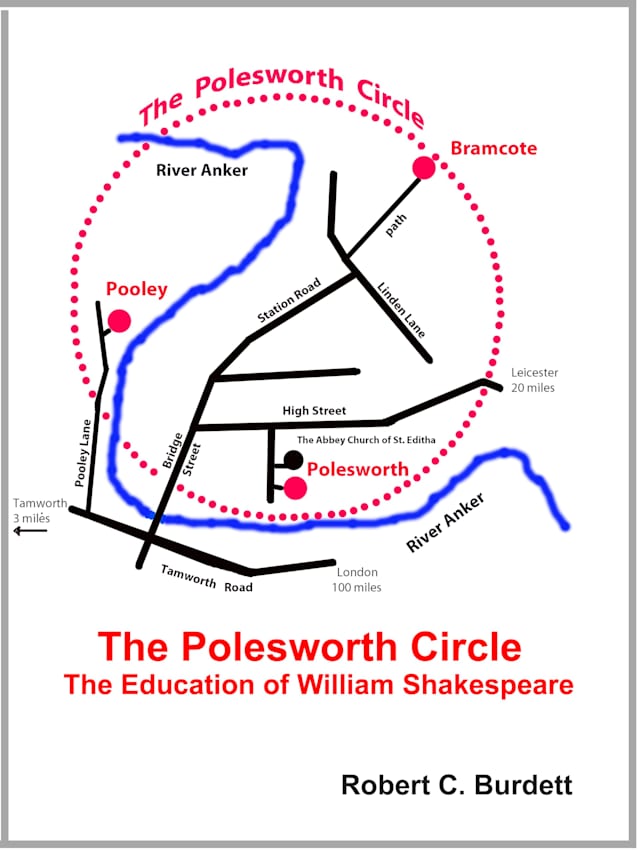
Building upon a thesis proposed by Arthur Gray, Master of Jesus College, Cambridge, this book contains a history play which dramatizes how Henry Goodyer, Thomas Burdett, and Raphael Holinshed, via a literary salon called the “Polesworth Circle,” educated, trained, and supported two of England’s most notable poets and playwrights, Michael Drayton...
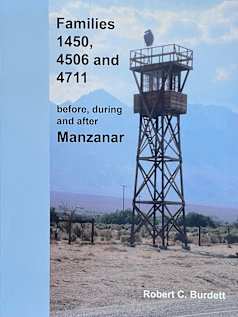
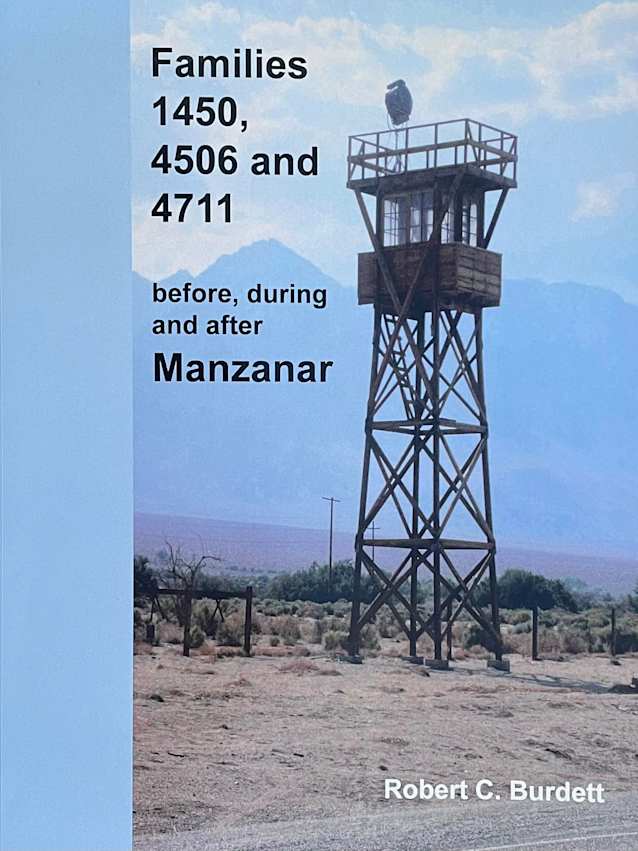
Shortly after December 7, 1941, the Genda, Oshima and Shiroyama families were uprooted from their Terminal Island, California homes and interred at Manzanar. This book provides some details on the lives of these three families before, during and after their incarceration. It also examines the U.S. Governments conduct during the war, life on...
The title of this post is a quote from an article recently written by Jonathan Turley, entitled “Why We Shouldn’t Cancel the Supreme Court.”
Note: Jonathan Turley is a professor at Georgetown Washington University Law School. He has written for several publications, including The New York Times, USA Today, and TheWall Street Journal. He is also the author of two books concerning “rage:” The Indispensable Right: FreeSpeech in an Age of Rage and Rage and the Republic: The Unfinished Story of...
This post is a book review of Who Killed the American Dream?: The Greatest Political Crime Ever Told, by Thom Hartmann (2026).
Thom Hartmann is a New York Times bestselling author of over 30 books and America’s #1 progressive talk show host, heard on Free Speech TV and SiriusXM nationwide. Thom is a very persuasive writer and progressive influencer.
Note: Throughout this review, page numbers from the book are included [in brackets], if you wish to review a quote in context or learn more about...
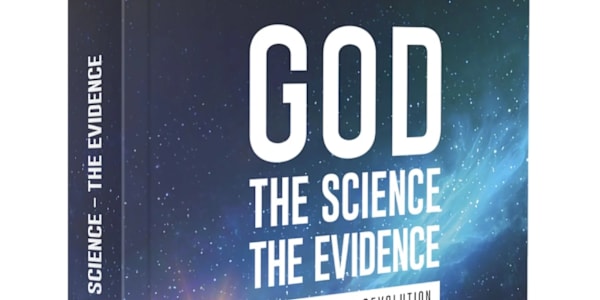
This is a book review of God, the Science, the Evidence: The Dawn of a Revolution, by Michel-Yves Bollore and Olivier Bonnassies (2025). The book is advertised (on the front cover) as an international best seller, with more than 400,000 copies sold.
One thing that has bothered me of late is a perception that the younger generations think they are too smart for God. They are so consumed by “following the science” that they have lost track of God. This is particularly concerning when there are...